

Think tax-loss harvesting is only for a year‑end scramble? Think again.
Tax-loss harvesting can turn market drops into real tax savings while keeping your long-term plan intact.
This post lays out practical, wash‑sale‑aware strategies — ETF swaps, single‑stock moves, and crypto options — that actually work for buy‑and‑hold portfolios.
You’ll get step-by-step rules, what to replace, the records to gather before you sell, and the common traps (IRA repurchases, DRIPs, and wash‑sale pitfalls) so you don’t lose the deduction.
Core Principles Behind Tax‑Loss Harvesting for Long‑Term Portfolios

Tax‑loss harvesting lets you flip a market downturn into actual tax savings. Sell an investment at a loss in your taxable account and you can use that realized loss to cancel out gains you locked in somewhere else during the year. If losses pile up past your gains, you get to knock up to $3,000 off ordinary income like salary or interest. Anything beyond that $3,000 rolls forward forever, waiting to offset future gains or chip away at income again next year.
The value changes depending on what kind of loss you’re harvesting. Short‑term losses (stuff you held a year or less) wipe out short‑term gains taxed at ordinary rates that can hit 37% federally. Long‑term losses (held over a year) offset long‑term gains, usually taxed at 15% for most people. Harvest a $10,000 short‑term loss in the 37% bracket and you just saved roughly $3,700 in federal tax. Same $10,000 as a long‑term loss saves about $1,500 at the 15% rate. The trick is keeping your portfolio on track by swapping into similar assets that aren’t identical, so you stay invested while banking the tax break.
Six reasons this strategy strengthens buy‑and‑hold portfolios:
Defers taxes and keeps more capital compounding. Less tax today means more dollars working for future growth.
Reduces net realized gains each year. Lower taxable gains translate to smaller annual bills.
Improves after‑tax returns over time. Volatile markets where losses and gains trade places deliver the most value.
Generates carryforwards for future use. Excess losses stick around indefinitely to shield whatever comes next.
Preserves asset allocation. Swapping to similar securities keeps your plan intact.
Provides flexibility in high‑income years. Harvest losses when you’re staring down big realized gains or elevated rates.
This becomes especially useful when you know large gains are coming. Selling a rental property, rebalancing a concentrated position, or cashing out equity grants. Harvesting losses beforehand or in the same year offsets the tax hit without forcing you to change your long‑term investing approach.
How the Wash‑Sale Rule Affects Tax‑Loss Harvesting Tactics

The wash‑sale rule is the IRS tripwire in every harvesting plan. Sell a security at a loss and repurchase something “substantially identical” within 30 days before or after the sale, and the IRS kills the loss for that tax year. That 30‑day window runs both directions, creating a 61‑day danger zone centered on your sale. Sell April 1 and you can’t touch the same thing from March 2 through May 1. Buy anywhere in that span and your harvested loss disappears from this year’s return.
When a wash sale triggers, the disallowed loss doesn’t vanish. The IRS tacks it onto the cost basis of the replacement shares, deferring the tax benefit until you eventually sell that new lot. You still get the loss, just later. That delay can kill the immediate value, especially if you planned to offset a big gain now.
Five common wash‑sale traps that snag long‑term investors:
Purchases in your IRA. Buy the same security in a traditional or Roth IRA during the 61‑day window and the loss gets disallowed. Worse, you never recover it because basis adjustments don’t exist inside retirement accounts.
Dividend reinvestment plans (DRIPs). Automatic reinvestment counts as a purchase. Sell at a loss and dividends buying shares within 30 days trigger a wash sale.
Spouse’s accounts. The rule applies across your accounts and your spouse’s. Sell in your brokerage, buy in your spouse’s IRA, and the loss dies.
Call options and similar derivatives. Acquiring a call option on the same stock within the window can count as a substantially identical purchase.
Mutual fund share classes. Different share classes of the same fund (Investor vs Admiral) are often treated as identical.
Workarounds to Stay Compliant
Wait 31 calendar days before repurchasing the identical security. Simplest safe harbor. If you need market exposure during those 31 days, replace the sold position with a different ETF or fund that tracks something similar but isn’t substantially identical. Sell an S&P 500 ETF from one issuer, immediately buy a total U.S. stock market ETF or an S&P 500 fund from a different provider with a different method. The IRS hasn’t published bright lines for “substantially identical,” so use clear product differences. Different index family, different strategy, or different asset class creates separation.
Wash‑sale compliance ensures your harvested losses count when you need them. Miss the rule and you’re stuck with a basis adjustment that might not pay off for years, or a permanently lost deduction if the trigger was in an IRA.
ETF and Index Fund Replacement Approaches That Support TLH

Swapping out of a losing position into something similar but not identical lets you harvest the loss while keeping your portfolio allocation where you want it. The goal: find a replacement that gives comparable market exposure without being “substantially identical” under the wash‑sale rule. Different index families, different fund sponsors, or slight methodology tweaks usually provide enough separation. Switch from an S&P 500 ETF to a total U.S. market ETF and you’ve changed both the index and the breadth of holdings. Clear enough for most advisors. Switch from one S&P 500 ETF to another from a different issuer and you’re in a gray area. Many practitioners accept it, but the IRS could argue they track the same benchmark the same way.
Direct indexing pushes replacement strategies further by holding the individual stocks that make up an index—often 300 to 400 securities for an S&P 500 replication. When one stock in that basket drops, sell it at a loss and either leave the slot empty (creating a tiny tracking error) or replace it temporarily with a sector ETF or a different stock in the same industry. After 31 days, repurchase the original if you want to close the tracking gap. Fractional‑share trading made this easier because you can fine‑tune dollar amounts without worrying about whole‑share minimums.
| Asset Sold | Acceptable Replacement | Notes |
|---|---|---|
| S&P 500 ETF (Issuer A) | Total U.S. Market ETF (Issuer B) | Different index, broader exposure; clear non‑identical status. |
| Technology sector ETF | Growth‑style large‑cap ETF | Overlapping holdings but different selection criteria and weighting. |
| Investment‑grade corporate bond fund | Intermediate‑term Treasury ETF | Different issuer type and credit risk; maintains duration exposure. |
| Emerging markets equity fund | Developed international equity fund | Geographic and risk profile differ; preserves foreign equity allocation. |
| Individual large‑cap stock | Sector ETF containing that stock | Temporary bridge; repurchase the stock after 31 days to restore single‑name exposure. |
Single‑Stock Replacement Strategies
When you harvest a loss on an individual stock, you face a choice: accept a temporary gap in that position or replace it with something correlated but not identical. A sector or industry ETF that includes the stock you sold can work as a short‑term proxy. Sell a losing semiconductor position and buy a semiconductor industry ETF for 31 days, then rotate back into the original stock if your thesis hasn’t changed. This works best when the sector ETF has enough breadth that it won’t move in lockstep with the single name, reducing the risk the IRS views them as substantially identical.
Another option: replace a single stock with a competing company in the same industry, though this introduces company‑specific risk and may not preserve your original investment thesis. Use this only when you’re comfortable with the substitute’s fundamentals and don’t mind holding it long term if the original stock recovers during the 31‑day window.
Crypto and Digital‑Asset Considerations
Cryptocurrency is classified as property for federal tax purposes, so every sale triggers a capital gain or loss. Historically, the IRS wash‑sale rule hasn’t been uniformly applied to crypto because it’s defined for “stock or securities,” and digital assets fall outside that category. Creates an opportunity: sell Bitcoin at a loss, immediately buy it back, and claim the loss without a 30‑day wait under current interpretation. Brokers and exchanges don’t issue 1099‑B forms for most crypto transactions, so you must maintain detailed records of every trade: date, quantity, price, cost basis, and proceeds.
But legislative risk looms. Proposed rules could extend wash‑sale treatment to digital assets, closing the immediate‑repurchase loophole. Until that happens, crypto offers more tactical flexibility than stocks or ETFs, but the record‑keeping burden is higher and the rules could shift mid‑year. If you harvest crypto losses, document everything and be ready to adjust if new guidance drops.
Timing Tax‑Loss Harvesting Throughout the Year

Tax‑loss harvesting isn’t a December‑only move. Volatile periods create the best opportunities. Sharp drops in individual stocks or sectors let you capture material losses while keeping your overall allocation steady. The market turbulence in 2020, the broad selloff in 2022, the April 2025 volatility window—all opened harvesting chances for investors paying attention. Wait until year‑end and you might miss those windows or find positions already recovered, leaving no harvestable loss.
Year‑end harvesting carries special importance for one reason: trades must settle by December 31 to appear on that tax year’s Form 1099‑B. Equity trades typically settle two business days after execution (T+2), so your last shot to harvest for the current year is usually the second‑to‑last trading day in December. Rush that deadline and you risk triggering a wash sale if you repurchase too soon in January, or missing the benefit entirely if the trade settles in the new year.
Coordinating harvesting with expected income changes multiplies the value. You know you’ll have a large capital gain later in the year—selling a rental property in November, for example—so harvest offsetting losses earlier during a market dip. Or if you expect lower income in a future year (retirement, sabbatical, gap year), consider deferring loss harvesting and instead realize gains now at a lower marginal rate, then harvest losses in the high‑income year when they offset more expensive tax bills.
Five timing best practices for year‑round loss harvesting:
Scan positions quarterly after earnings seasons settle, when single‑stock volatility often creates temporary losers without changing long‑term fundamentals.
Front‑load harvesting when you know big gains are coming. Offset planned sales of appreciated property or equity compensation by harvesting losses early in the year.
Use dollar‑cost averaging for new contributions. Adding cash in regular increments creates fresh high‑basis lots that generate future harvesting opportunities.
Avoid the last week of December unless you have a clear plan for the 31‑day wash‑sale window crossing into January.
Monitor mid‑year corrections and sector rotations. Brief drawdowns in growth stocks, small caps, or international positions can offer harvesting windows that disappear within weeks.
Coordinating TLH With Portfolio Rebalancing and Asset Location

Rebalancing and tax‑loss harvesting should work together, not fight each other. When you rebalance to bring your portfolio back to target weights, you’re already selling appreciated positions or adding to lagging ones. Layer in tax‑loss harvesting and you can sell losing positions strategically, offset gains from the appreciated sales, and keep your allocation on track—all in one set of trades. Coordinating these activities cuts unnecessary turnover and keeps tracking error in check.
When you sell to rebalance, prioritize the highest‑basis lots first if you’re trying to minimize gains or generate losses. Most brokers let you specify tax lots (specific identification), so you can hand‑pick the shares with the least gain or the largest loss. Selling high‑basis lots defers taxes, while selling low‑basis lots in a different position might let you pair a gain with a harvested loss from elsewhere in the portfolio. This lot‑level choreography matters most in portfolios with years of contributions and reinvested dividends, where each security has multiple tax lots at different bases.
Asset location is the other half of tax‑aware portfolio construction. Place tax‑inefficient investments—actively managed funds with high turnover, taxable bond funds, REITs—in tax‑advantaged accounts like IRAs where distributions and realized gains don’t create annual tax bills. Keep tax‑efficient assets—index ETFs, municipal bonds, buy‑and‑hold stock positions—in your taxable account where you can harvest losses, manage lot‑level gains, and benefit from the step‑up in basis at death.
Four key location and rebalancing guidelines:
Taxable accounts: prioritize low‑turnover equity index funds and ETFs; harvest losses when available; donate appreciated shares for charitable giving.
Traditional and Roth IRAs: hold high‑turnover strategies, taxable bonds, and alternative assets that generate ordinary income or short‑term gains.
Rebalance across account types: sell appreciated positions in IRAs (no tax due) and losing positions in taxable accounts (capture the loss) to reach target weights with lower tax drag.
Review contributions and withdrawals together: new cash into a taxable account should fill underweight positions and create fresh lots; withdrawals should come from tax‑advantaged accounts first to preserve taxable‑account loss‑harvesting flexibility.
How Rebalancing and TLH Interact
Rebalancing often forces you to sell positions that have appreciated, generating taxable gains. If those appreciated sales happen in your taxable account, look for offsetting losses elsewhere in the same account. Harvest the losses first, then execute the rebalancing sale. Both trades settle in the same tax year and the loss cancels part or all of the gain. If you can’t find enough losses to offset the gain, consider whether the rebalancing trade can wait a few months until a loss opportunity appears, or shift the appreciated sale into an IRA where it won’t trigger tax.
Avoid the temptation to over‑harvest just to hit a perfect tax‑loss number. If harvesting a small loss requires selling a position you want to keep and introduces tracking error or a 31‑day gap, the tax savings may not justify the operational hassle or the risk of missing a rebound. Rebalancing priorities come first. Taxes are the second‑order optimization.
Documenting, Reporting, and Tracking Your Harvested Losses

Every tax‑loss harvest creates a paper trail you must preserve and report correctly. The IRS requires you to report each sale of a capital asset on Form 8949, showing the description, the dates you acquired and sold it, your cost basis, the sale proceeds, and any adjustments (like wash‑sale disallowances). Form 8949 feeds into Schedule D, which nets all your gains and losses and calculates your total capital gain or loss for the year. If you harvested losses in multiple positions or across many trades, Form 8949 can run several pages. Each line represents one tax lot sold.
Brokers send you a Form 1099‑B summarizing your sales, and for “covered” securities (those the broker tracked from purchase), the 1099‑B includes cost basis and holding period. For “non‑covered” securities—older shares bought before broker basis‑reporting rules kicked in, or positions transferred in from another custodian without basis data—you supply the basis yourself using your own records. Reconcile every line on the 1099‑B against your personal records before filing, because broker basis can be incomplete or wrong, especially after corporate actions, transfers, or dividend reinvestments.
Wash‑sale adjustments add another layer. When a broker identifies a wash sale between covered positions at the same firm, it reports the disallowed loss and the adjusted basis on the 1099‑B using a specific code (typically “W”). You must carry that adjusted basis forward into the replacement lot and report it when you sell that lot. If the wash sale happened across different brokers or between a taxable account and an IRA, the broker won’t catch it. You identify the wash sale yourself, disallow the loss, and adjust the basis manually on your tax return.
Essential Records to Keep
Maintain these six categories of documentation for every tax‑loss harvesting trade:
Trade confirmations showing execution date, settlement date, quantity, price, and total proceeds or cost.
Original purchase records with acquisition date, purchase price, and any adjustments (splits, spin‑offs, return of capital).
Lot identification evidence if you use specific‑ID accounting—emails or screenshots confirming which lots you instructed the broker to sell.
Wash‑sale tracking logs listing the security sold, sale date, repurchase date (if any), and whether the 30‑day window was violated across all accounts.
Cost basis adjustment worksheets showing how disallowed wash‑sale losses flow into replacement‑lot basis.
Annual carryforward schedules documenting unused capital losses that roll into future years, including the year the loss originated and the amount remaining.
Keep these records for at least three years after filing the return that reports the final disposition of the asset, and longer (six or seven years) if you have significant carryforwards or non‑covered positions. If the IRS audits your return and disallows a claimed loss because you can’t prove the original basis or the absence of a wash sale, you lose the deduction and may owe penalties and interest.
Reconcile your brokerage statements and 1099‑B against your own tracking spreadsheet every January before you file. Brokers make mistakes—missing basis, incorrect wash‑sale flags, wrong holding periods—and those errors become your problem unless you catch them early. If you spot a discrepancy, request a corrected 1099‑B or attach a statement to your return explaining the adjustment with supporting documentation.
Numerical Examples That Show How TLH Reduces Taxes
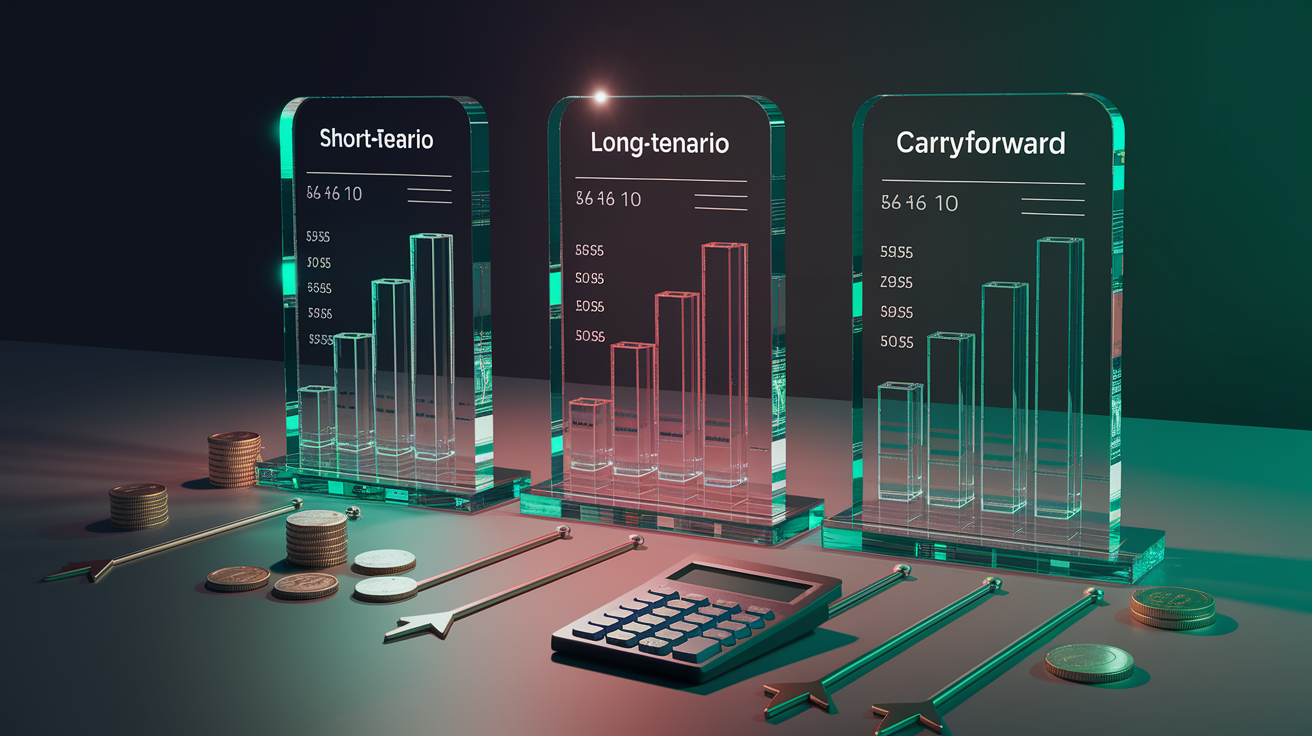
Real numbers clarify how tax‑loss harvesting translates into actual savings. Walk through three scenarios—short‑term offset, long‑term offset, and carryforward—then compare outcomes in a summary table.
Example A: Harvesting a Short‑Term Loss to Offset Short‑Term Gains
You bought 200 shares of a tech stock in March 2025 at $120 per share (total cost $24,000). By November 2025 the stock’s at $70, and you decide to sell at a loss. Sale proceeds are 200 × $70 = $14,000. Realized loss is $24,000 − $14,000 = $10,000, and because you held the shares for less than one year, it’s a short‑term capital loss.
Earlier in 2025 you sold another position and realized a $10,000 short‑term capital gain, which would be taxed at your ordinary income rate. You’re in the 37% federal bracket. Without harvesting, that $10,000 gain costs you $3,700 in federal tax. Harvest the $10,000 short‑term loss and it offsets the entire gain, reducing your federal tax bill by $3,700. If you’re also subject to the 3.8% Net Investment Income Tax (NIIT), total federal savings climbs to roughly $4,080 ($10,000 × 40.8%).
Example B: Harvesting a Long‑Term Loss to Offset Long‑Term Gains
You purchased 100 shares of a mutual fund in January 2023 at $200 per share ($20,000 total). In December 2025 the fund’s at $100 per share. You sell, receiving $10,000 in proceeds. Realized loss is $20,000 − $10,000 = $10,000, and because you held for more than one year, it’s a long‑term capital loss.
You also realized $10,000 in long‑term gains from selling another fund earlier in 2025. Those gains face the 15% long‑term capital gains rate. Without the harvest, you owe $1,500 in federal tax. Harvest the $10,000 long‑term loss and you eliminate the entire $10,000 gain, saving $1,500. If NIIT applies, add another $380 (3.8% × $10,000) for total federal savings of roughly $1,880.
Example C: Harvesting Losses With Carryforward
You harvest $25,000 in long‑term losses during 2025. You have $10,000 in realized long‑term gains from other sales. The $25,000 loss first offsets the $10,000 gain, leaving $15,000 of unused loss. You can apply up to $3,000 of that remaining loss against ordinary income for 2025, reducing your taxable income. If you’re in the 24% bracket, that $3,000 deduction saves $720 in federal tax. The leftover $12,000 ($25,000 − $10,000 − $3,000) carries forward to 2026 and beyond, ready to offset future capital gains or another $3,000 per year of ordinary income until fully used.
| Example | Loss Harvested | Immediate Tax Savings (Federal) |
|---|---|---|
| A – Short‑term offset | $10,000 short‑term | ~$3,700 (37% bracket) to $4,080 (with NIIT) |
| B – Long‑term offset | $10,000 long‑term | ~$1,500 (15% rate) to $1,880 (with NIIT) |
| C – Carryforward | $25,000 long‑term; $10k gain + $3k ordinary offset | ~$2,220 now ($1,500 + $720); $12k carries forward |
Applying TLH to Cryptocurrency, Fractional Shares, and Other Assets

Cryptocurrency follows the same capital‑gain framework as stocks. Every sale, trade, or exchange is a taxable event producing a gain or loss based on your cost basis. Sell 10 ETH you bought at $4,000 each when the price drops to $1,500, and you realize a $25,000 capital loss ($40,000 cost − $15,000 proceeds). That loss offsets other capital gains or up to $3,000 of ordinary income, just like a stock loss. Key difference: because crypto is classified as property rather than a security, the wash‑sale rule hasn’t been uniformly enforced. You can sell Bitcoin at a loss and immediately repurchase it the same day without triggering a wash‑sale disallowance, at least under current IRS guidance.
Fractional shares are treated identically to whole shares for tax purposes. Own 0.75 shares of a stock with a $10,000 cost basis and sell them for $7,500, you have a $2,500 capital loss. Brokers that offer fractional trading typically track basis and holding period just like whole shares, and losses are reported on Form 1099‑B. The ability to trade fractional shares makes it easier to harvest small losses without leaving large cash balances or creating odd lot sizes, especially in high‑priced stocks or when you want to fine‑tune your exposure after a sale.
Four special considerations for non‑traditional assets:
Crypto record‑keeping is entirely on you. Most exchanges don’t provide 1099‑B forms, so maintain a trade‑by‑trade log with dates, quantities, prices, and wallets. Use specialized crypto tax software if you trade frequently.
Fractional shares can create wash‑sale complexity. Sell 0.5 shares at a loss and your dividend reinvestment plan buys 0.1 shares within 30 days, you’ve triggered a partial wash sale. Track DRIP purchases carefully.
Staking rewards and interest are ordinary income, not capital events. You can’t harvest a “loss” on staking income, but if the token drops after you receive it, selling at a loss generates a capital loss based on the value when you received the reward.
Thin liquidity in smaller coins or NFTs. Executing a loss sale and replacement without moving the market can be difficult; wide bid‑ask spreads reduce the net benefit and may make immediate repurchase impractical.
Legislative Risks for Crypto Harvesting
Proposed legislation has repeatedly aimed to extend wash‑sale rules to digital assets. If Congress passes such a rule, the 30‑day repurchase restriction will apply to Bitcoin, Ethereum, and other tokens the same way it applies to stocks. Until that happens, the immediate‑repurchase flexibility gives crypto holders a tactical advantage—harvest a loss during a dip and buy back instantly to preserve exposure. Monitor tax‑law updates each year, because a mid‑year rule change could convert what was a legal harvest into a disallowed wash sale retroactively, depending on the effective date.
Using Robo‑Advisors and Automation for TLH

Robo‑advisors turned tax‑loss harvesting into an automated, continuous process. Platforms scan your portfolio daily or weekly for positions trading below their cost basis, automatically sell the losers, and immediately reinvest proceeds into similar but non‑identical ETFs to avoid wash sales and maintain target allocation. Many robos will harvest losses as small as $50 to $200, capturing tax benefits that manual investors might overlook or consider too small to bother with. This high‑frequency approach can generate dozens or even hundreds of harvesting trades per year, especially in volatile markets.
Automation has clear advantages: you never miss an opportunity, lot‑level accounting is handled by software, and replacement securities are pre‑screened for wash‑sale compliance. The downside is higher turnover, which can introduce tracking error relative to your target benchmark, and the risk that the algorithm prioritizes tax savings over investment fundamentals—selling a position you might have held through a short‑term dip if you were managing manually. You also depend on the robo provider’s replacement logic: if their list of “non‑identical” securities is too narrow, you may see repeated swaps between the same two ETFs, increasing transaction costs and reducing portfolio diversification.
Account minimums for automated tax‑loss harvesting typically range from $5,000 to $100,000, depending on the platform. Some providers include TLH in their standard advisory fee (often 0.25% to 0.50% annually on assets); others charge a separate fee tied to the amount of losses harvested or tax savings generated. Check the fee structure and compare it against the estimated annual tax benefit. If you’re in a low tax bracket or have minimal gains, the cost of the service can exceed the value.
| Method | Advantages | Risks |
|---|---|---|
| Manual | Full control; lower turnover; investment thesis drives decisions; no robo fees. | Requires time and discipline; may miss fleeting opportunities; manual wash‑sale tracking prone to error. |
| Robo | Continuous monitoring; captures small losses; automatic lot optimization; pre‑screened replacements. | Higher turnover; potential tracking error; algorithm may sell positions you’d hold; subscription cost. |
| Hybrid | Advisor sets rules and reviews trades; software executes; blends judgment with automation. | Cost of both advisor and software; communication lag; potential for conflicting manual and auto trades. |
| Advisor‑led | Professional judgment; coordinates TLH with estate, retirement, and income planning; custom lot strategies. | Higher fees (1%+ AUM typical); may not act as frequently as daily algorithms; depends on advisor expertise. |
Oversight matters regardless of method. Review quarterly reports, confirm wash‑sale adjustments on your 1099‑B, and verify that replacement securities align with your risk tolerance and long‑term goals.
State‑Level Tax Considerations in Loss Harvesting
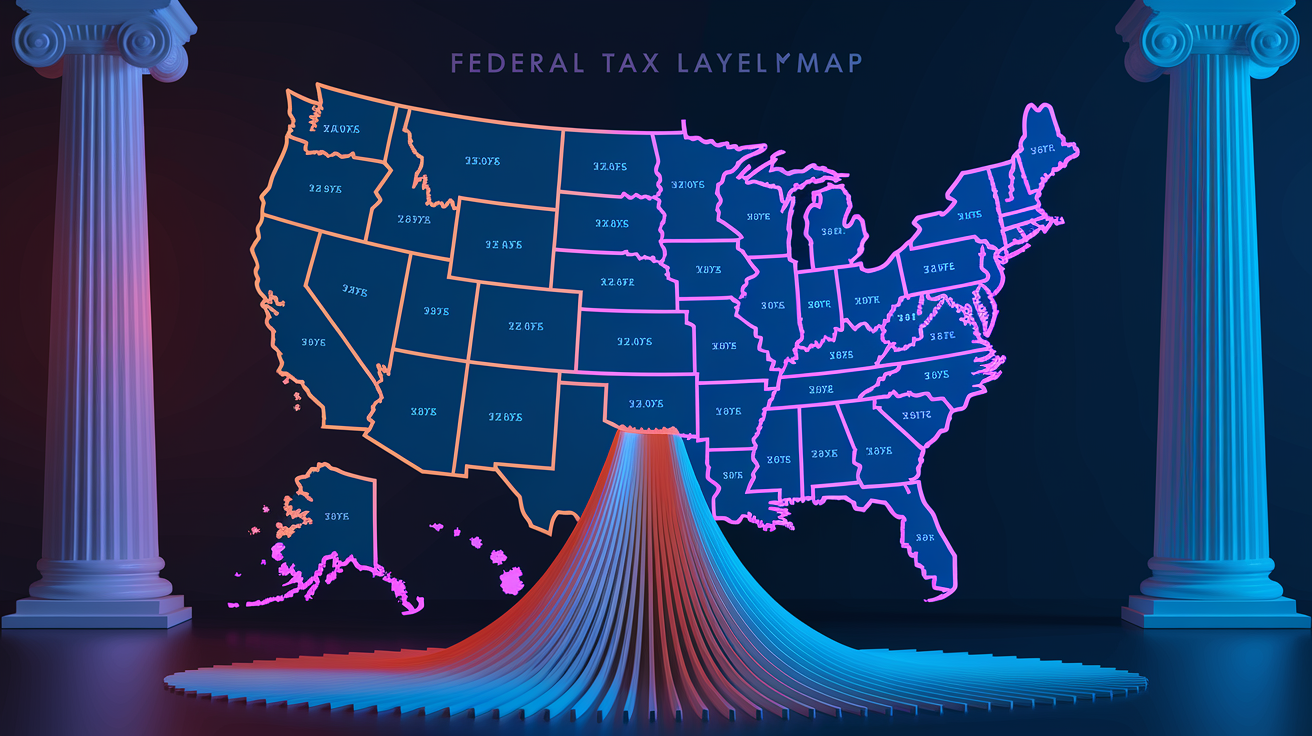
Most states that impose income tax follow federal capital‑gain treatment, meaning your harvested federal losses also reduce your state taxable income. High‑tax states amplify the benefit. California’s top marginal rate hovers around 13.3%, so a $10,000 harvested long‑term loss that saves $1,500 in federal tax at the 15% rate also saves roughly $1,330 in California state tax, bringing total savings to about $2,830. In a state with no income tax—Texas, Florida, Washington—the federal benefit is the only benefit. But in New York (top rate near 10.9%) or New Jersey (top rate near 10.75%), state savings can add hundreds or thousands of dollars to the federal figure.
State conformity isn’t automatic or uniform. Some states use different capital‑loss carryforward limits or cap the annual deduction against ordinary income below the federal $3,000 threshold. A handful of states have their own definitions of “long‑term” or apply different holding‑period rules. Check your state’s tax code or consult a state tax professional before assuming your federal harvest flows through unchanged. International investors face an additional layer: tax treaties may limit capital‑gains taxation or carryforward treatment depending on residency and sourcing rules, and some foreign tax authorities don’t recognize U.S. wash‑sale adjustments, creating potential double‑taxation or documentation challenges.
Three state‑specific points to confirm before harvesting:
Carryforward conformity. Verify your state allows indefinite capital‑loss carryforwards and applies the same annual ordinary‑income offset limit as federal rules.
Rate alignment. Check whether your state uses separate capital‑gains rates or taxes all capital income as ordinary income; higher effective rates increase the value of harvesting.
Timing differences. Some states lag federal conformity by a tax year, meaning a federal rule change in 2025 might not apply to your 2025 state return; confirm the effective date for state purposes.
Key Reminders When Using Tax‑Loss Harvesting for Long‑Term Portfolios
Tax‑loss harvesting is a tax‑deferral and tax‑management tool, not an investment strategy. Your first priority is maintaining the asset allocation and risk profile that matches your goals and time horizon. Selling a position solely to harvest a loss without a plan to replace it or adjust your portfolio introduces market timing risk and can cost you more in missed gains than you save in taxes. The 2020 rebound, the 2022 recovery, the April 2025 snapback all showed how quickly markets can reverse after a sharp drop. Harvest a loss and sit in cash for 31 days, you might miss that rebound entirely.
Over‑trading to chase small tax savings can backfire. Every trade carries transaction costs—bid‑ask spreads, commissions (if any), and the operational complexity of tracking wash‑sale windows and lot‑level basis. If you’re harvesting $100 losses multiple times a week, the cumulative friction and the risk of wash‑sale errors can erode the net benefit. Focus on material losses—positions down 10% or more—and coordinate harvesting with natural portfolio events like rebalancing, new contributions, or planned withdrawals.
Five ongoing best practices to make tax‑loss harvesting work for long‑term portfolios:
Maintain a running carryforward schedule. Track unused losses by year originated so you know how much “firepower” you have to offset future gains.
Use a wash‑sale checklist for every trade. Before you sell, confirm you haven’t bought that security in the past 30 days and don’t plan to buy it in the next 30 days across all your accounts and your spouse’s accounts.
Pair harvesting with new contributions. Adding fresh cash to your taxable account creates new high‑basis lots and future harvesting opportunities while keeping allocation stable.
Review lot‑level detail at least quarterly. Identify which positions have embedded losses, which have large unrealized gains, and which have a mix of lots at different bases; this prepares you to act quickly when volatility creates an opportunity.
Consult a tax professional before large or complex harvests. Significant realized gains, AMT exposure, NIIT thresholds, charitable giving plans, or state‑specific rules all create interactions that a one‑size spreadsheet can’t handle; professional advice can prevent costly mistakes.
Final Words
You now have a clear playbook: what TLH does, how short‑ vs long‑term losses work, and why wash‑sale rules matter.
You’ve seen replacement ETF tactics, timing windows, rebalancing tips, recordkeeping needs, crypto quirks, robo options, and state tax wrinkles — plus simple number examples.
Before you act, pick your checklist: confirm lot data, avoid wash‑sale triggers, choose suitable replacements, and coordinate with your CPA.
Use tax-loss harvesting strategies for long-term portfolios to keep more after-tax gains. You’re set to move forward with confidence.
FAQ
Q: Is tax-loss harvesting worth it long term?
A: Tax-loss harvesting is often worth it long term because it offsets realized gains, defers taxes, boosts after-tax compounding, preserves portfolio exposure with replacements, and creates loss carryforwards for future years.
Q: What is Jeff Bezos tax strategy?
A: Jeff Bezos’s reported tax strategy focuses on stock-based wealth: holding appreciated shares, using loans against stock instead of selling, timing taxable events, and strategic charitable giving—common techniques wealthy owners use to defer or reduce taxes.
Q: What loopholes do billionaires use to avoid taxes?
A: Billionaires often use legal strategies—borrowing against assets, trusts and gifting, charitable foundations, carried-interest tax rules, and income-shifting—to lower tax bills; these rely on tax-code rules and careful planning, not guaranteed results.
Q: Can tax-loss harvesting offset long-term capital gains?
A: Tax-loss harvesting can offset long-term capital gains: long-term losses net against long-term gains first, then other gains; up to $3,000 of excess can offset ordinary income yearly, with unused losses carried forward.

